Winslow Homer
Birth Name:
Winslow Homer
Birth Date:
February 24, 1836
Birth Place:
Boston, Massachusetts
Death Date:
September 29, 1910
Place of Death:
5 Winslow Homer Road, Prouts Neck, Scarborough, Maine
Age:
74
Cause of Death:
Heart failure
Cemetery Name:
Mount Auburn Cemetery
Claim to Fame:
Artists
Winslow Homer was an American landscape painter and printmaker, best known for his marine subjects. He is considered one of the foremost painters in 19th century America and a preeminent figure in American art. Largely self-taught, Homer began his career working as a commercial illustrator. He subsequently took up oil painting and produced major studio works characterized by the weight and density he exploited from the medium. He also worked extensively in watercolor, creating a fluid and prolific oeuvre, primarily chronicling his working vacations. Microsoft co-founder Bill Gates set what was then an American art record when he bought Winslow Homer's "Lost on the Grand Banks" for $36 million in 1998.
Cemetery Information:
Final Resting Place:
Mount Auburn Cemetery
580 Mt Auburn Street
Cambridge, Massachusetts, 02138
USA
North America
Map:

Grave Location:
Lily Path, Lot 536, Space 7Grave Location Description
At the intersection of Willow Avenue and Poplar Avenue, Walk up the Lily Path about 200 feet and on your left near the top of the hill you will find the Homer Family Plot. Winslow rests behind the monument to the right.
Grave Location GPS
42.37112814, -71.14343215Photos:
[+]
[+]
[+]
[+]
[+]
[+]
[+]
[+]
[+]
[+]
[+]
[+]
[+]
[+]
[+]
[+]
[+]
[+]
[+]
[+]
[+]
[+]
[+]
[+]
[+]
FAQ's
Winslow Homer was born on February 24, 1836.
Winslow Homer was born in Boston, Massachusetts.
Winslow Homer died on September 29, 1910.
Winslow Homer died in 5 Winslow Homer Road, Prouts Neck, Scarborough, Maine.
Winslow Homer was 74.
The cause of death was Heart failure.
Winslow Homer's grave is in Mount Auburn Cemetery
Read More About Winslow Homer:
Videos Featuring Winslow Homer:
Art 101: Winslow Homer Watercolors
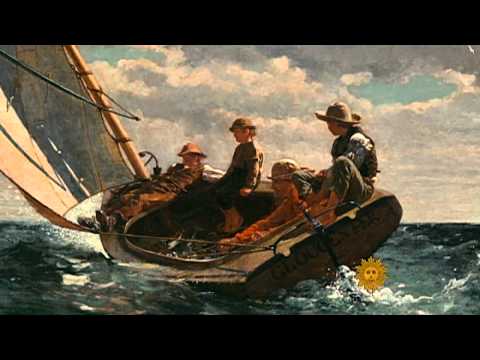
Winslow Homer: American Artist
Winslow Homer Studio Tour
Winslow Homer: The Nature of the Artist (1986)

Winslow Homer's long love affair with the sea
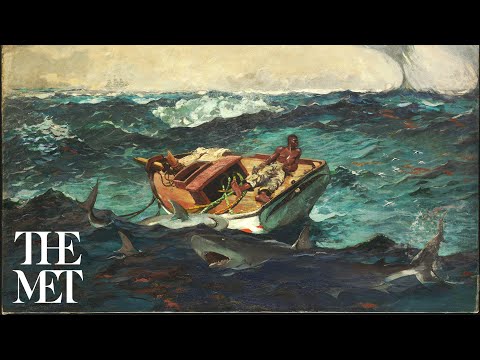
A Closer Look at Winslow Homer - Insider Insights
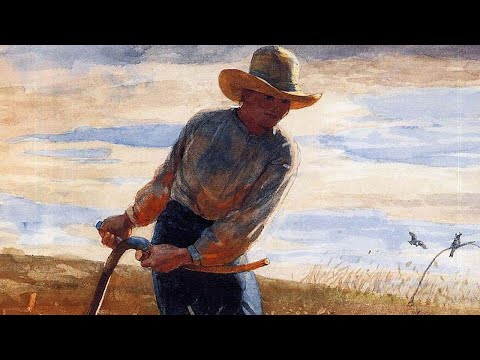
Winslow Homer and the Poetics of Place
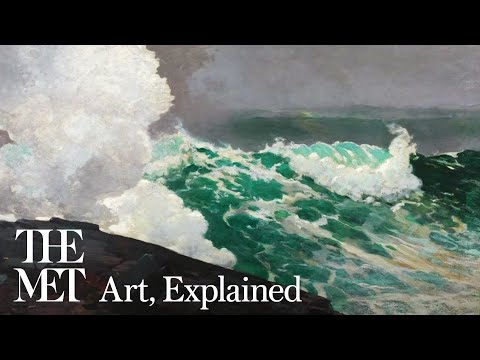
How Winslow Homer evokes the power of nature with just a few elements - Art Explained
See More:
Back to Top